Faith and Fortune: When Religious Leaders Win the Lottery
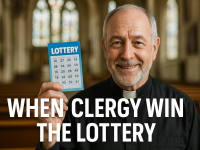
Around the world, priests, rabbis, monks, and pastors have unexpectedly won lottery jackpots. Some shared their winnings with communities or charities, while others struggled with temptation and scrutiny. These rare stories reveal how faith leaders navigate sudden wealth and how their choices spark moral questions about gambling, generosity, and the meaning of stewardship.
A Rare and Fascinating Intersection
What happens when someone who has dedicated their life to faith suddenly finds themselves holding a winning lottery ticket worth millions?
It’s not an image most people expect. A rabbi quietly checking his numbers after a Friday service. A Buddhist monk holding a scratch-off ticket at a market stall. A priest standing at a lottery counter, unsure if it’s even right for him to be there.
It has happened, though, and every time, it raises questions about humility, money, and what it means to live a life built on spiritual service.
The Florida Priest Who Called It a Gift
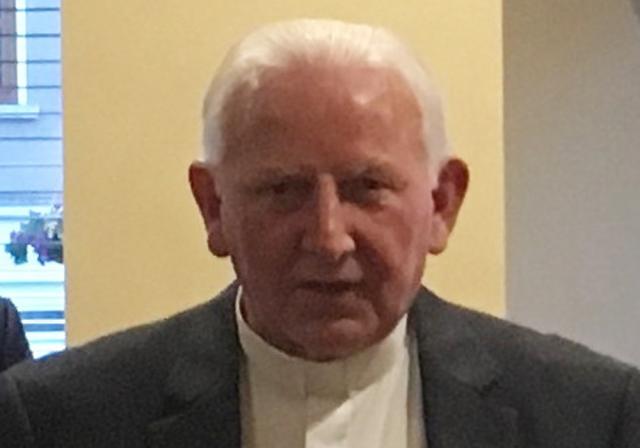
Monsignor John Delaney, an Irish-born priest serving in Florida, bought a EuroMillions ticket while visiting home and ended up winning half a million euros. It wasn’t even his first stroke of luck; he’d won smaller prizes before.
When asked how he felt, Delaney simply said it felt like a blessing. He promised to give much of the money away and told reporters,
“What goes around comes around.”
To him, the win wasn’t a conflict or a temptation. It was a responsibility.
A California Priest Who Went Silent with Millions
In 1989, Father Boleslaw “Father Bosco” Wdowiak of Auburn, California, stunned his parish by winning a $6.7 million jackpot. The media swarmed him, expecting smiles and celebrations.
Instead, Bosco canceled interviews and quietly went on a retreat. He said he needed time to pray and think about what to do with the money.
It wasn’t avoidance; it was discernment. His first instinct wasn’t to spend but to step back and ask: What does this mean for my vows, for my parish, for me?
A South African Priest Who Prayed for Help
In South Africa, a priest in Brakpan openly said he prayed for “financial freedom.” He had recently lost his wife and worried about supporting his children and his congregation.
Not long after, he won R7.2 million. He didn’t hold a press conference. He quietly told his children and started planning how to pay for their education and how to support his community.
For him, the win wasn’t an escape; it was a lifeline.
A Thai Monk Who Found Himself in a Scandal
In Thailand, where buying lottery tickets is almost a cultural ritual, a Buddhist monk won a sizable prize—but his story took a different turn. Instead of using the money for charity or temple upkeep, the monk was accused of secretly keeping the winnings for personal luxury.
The scandal made national headlines and raised uncomfortable questions about greed and attachment. It wasn’t just about one man; it sparked a debate about whether monks should even be allowed to buy lottery tickets, given Buddhism’s emphasis on detachment from material wealth.
The Pastor Who Split a Jackpot with His Congregation
In Illinois, a Baptist pastor joined his church’s informal lottery pool. One week, their ticket hit—a $1 million prize.
Instead of keeping his share, the pastor worked with the congregation to turn their win into something bigger. They used the money for church repairs, scholarships, and local outreach programs.
For the community, it was a shared blessing. For the pastor, it was proof that even a jackpot could be used as an act of service.
A Rabbi Who Quietly Donated It All
In Israel, a rabbi won the equivalent of hundreds of thousands of dollars in the national lottery. He accepted the prize but refused interviews and quietly donated the entire sum to schools, hospitals, and community charities.
His reasoning was simple. He saw the win as money that wasn’t really his to keep. To him, it was a chance to amplify his mission, not change his life.
The Moral Questions That Follow
Every faith has its own view on gambling. In Christianity, occasional gambling isn’t forbidden, but greed is warned against. In Judaism, state lotteries are often seen as a tax on hope, but not necessarily a sin. In Buddhism, detachment from wealth is central, but lucky numbers are deeply woven into tradition. In Islam, gambling is generally forbidden, yet cultural raffles and chance-based games complicate the picture.
So when a spiritual leader wins, it isn’t just a personal windfall—it’s a test. Some followers see it as divine providence. Others question whether a leader should have been buying a ticket in the first place.
What Happens After the Win
The most striking pattern in all these stories is what happens next.
Most religious leaders don’t suddenly live like celebrities. Many give the money away—quietly, and often without press. Some funnel it into their temples, churches, or mosques. Others support hospitals, schools, or individual families in need.
But there’s also scrutiny. People wonder: was it right for them to play? Did they handle the winnings transparently? Did they stay true to their vows?
Should They Play At All?
That’s the question that always lingers. Some people believe religious leaders shouldn’t buy lottery tickets at all—it feels at odds with their calling. Others argue they’re human beings, and a $2 ticket bought for fun isn’t a moral failure.
Most faith teachers agree that what matters most isn’t the act of playing, but what comes after. Does the win turn into greed, or does it turn into generosity?
Blessing or Burden?
A lottery win for a religious leader is rarely just a personal event. It becomes a story about trust, money, and morality.
The examples show a spectrum. Some, like Father Bosco or the Israeli rabbi, treated the money as something to steward, not keep. Others, like the monk in Thailand, stumbled under the weight of temptation.
In every case, though, the lottery forced a choice, and that choice revealed the heart behind the collar, the robe, or the prayer shawl.
Because luck is random. But how do you use it? That’s where faith is tested.

You May Like: